Loading...
Serving Lynwood, CA and surrounding areas. (424) 307-8116
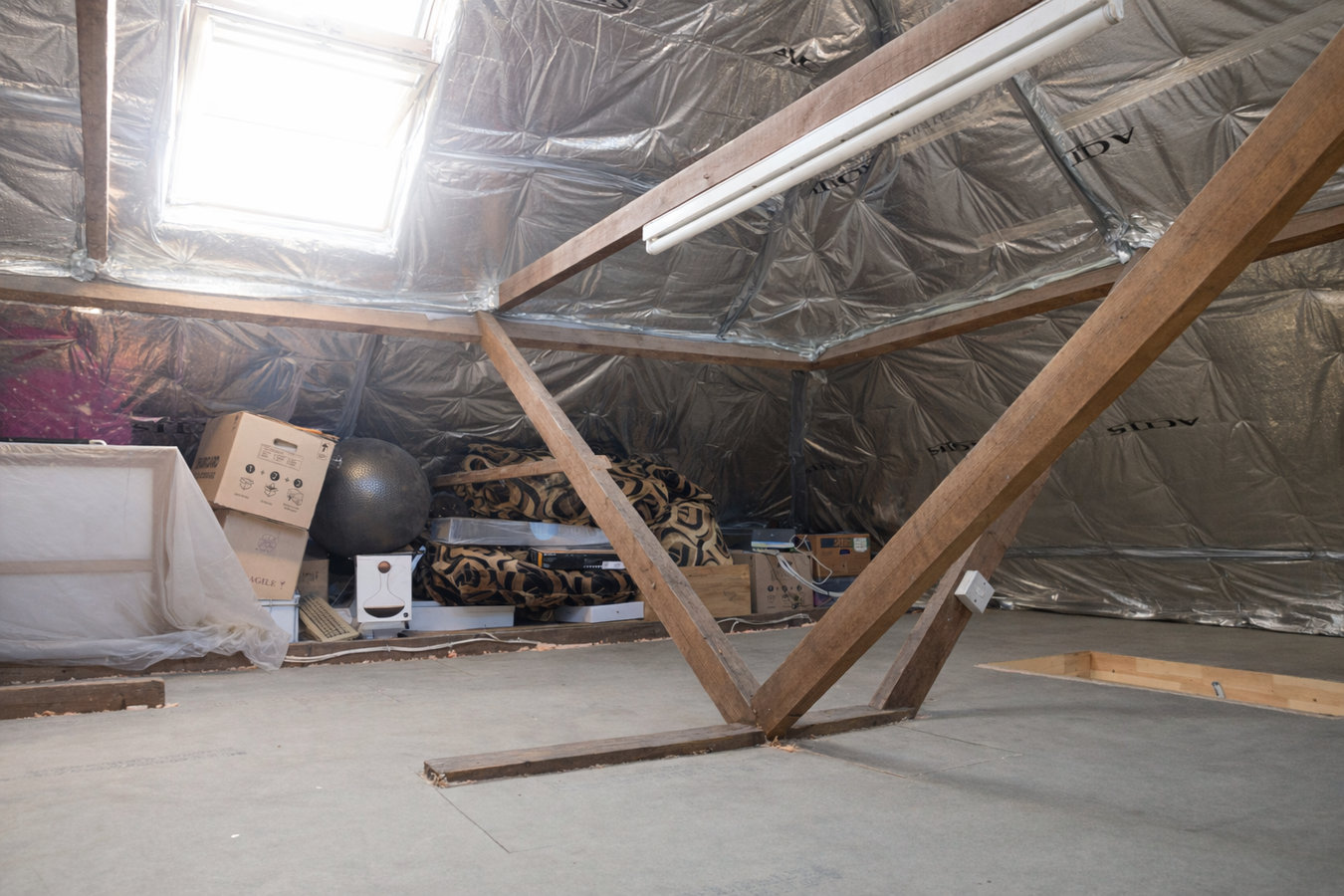
Thin or aging attic insulation lets heat pour into your Lynwood home all summer. We upgrade it so your AC works less and your home stays comfortable without constant adjustments.
Attic insulation in Lynwood acts as a thermal barrier between your living space and the roof above - slowing the summer heat that would otherwise radiate straight down through your ceiling. Most standard attic jobs take one day or less, with a crew of two completing a typical home in three to five hours.
In Lynwood and across the South Bay area, the real payoff is in summer cooling. Temperatures here regularly climb into the 90s from June through September, and a home with thin or degraded attic insulation forces your air conditioner to run almost constantly. A proper insulation upgrade changes that equation by blocking the heat before it reaches your living space.
Many Lynwood homeowners also add blown-in insulation or pair attic insulation with attic air sealing for even better results - sealing air movement first, then adding the thermal layer on top.
If rooms closest to your ceiling stay noticeably hotter than the rest of your home during Lynwood's long summer months, your attic insulation is likely failing to block the heat radiating down from your roof. You should not need to run your AC at its lowest setting just to sleep comfortably in July.
If your Southern California Edison bill has been creeping up year after year - especially during the summer cooling season - and you have not changed how you use your home, your attic insulation may no longer be doing its job. Heat sneaking through a poorly insulated attic forces your AC to run longer and harder.
If you peek into your attic and can clearly see the wooden beams running across the floor, your insulation is almost certainly too thin. Adequate insulation should cover those beams completely. This is a quick, no-tools check any homeowner can do in about two minutes.
A large portion of Lynwood's housing dates from the postwar era. Insulation from that period was installed to standards far below what is recommended today. Even if material is still present, it may have compressed, absorbed moisture, or been disturbed by pest activity. No record of work done means it is worth having someone take a look.
For most existing Lynwood homes, we use blown-in insulation because it fills irregular attic spaces evenly without opening walls or ceilings. The crew runs a hose up through the access hatch and fills the space to the correct depth, covering every gap and corner. For attics where existing material has been damaged, contaminated, or is simply too thin to work with, we remove it first and start clean.
We also recommend adding attic air sealing before the new insulation goes in - especially in older Lynwood homes where gaps around light fixtures, plumbing penetrations, and HVAC ducts allow air to bypass the insulation layer entirely. Air sealing and insulation together produce better results than either one alone.
Best for most existing Lynwood homes. Fills irregular spaces and odd-shaped attics without demolition.
Works well in clean, open attics with standard joist spacing. Often used for new construction or full attic remodels.
When old material is damaged, compressed, or contaminated, we remove it first and install fresh material to current standards.
The most effective upgrade - seal air pathways first, then add the insulation layer. Recommended for pre-1980 Lynwood homes.
Lynwood sits in the Los Angeles Basin and experiences the urban heat island effect that affects all of South LA. The heat does not stop when the sun goes down - dense roads and rooftops radiate warmth through the evening. For Lynwood homeowners, this means the attic above your living space is under continuous heat pressure for months at a time. A properly insulated attic holds that heat out, reducing how long and how hard your air conditioner has to run to keep your home comfortable.
Homeowners in nearby South Gate and Compton deal with identical conditions - older homes, long summers, and an SCE bill that climbs every year. Lynwood is also in Southern California Edison territory, which means qualifying insulation upgrades may be eligible for a rebate that offsets part of the project cost. We help homeowners document the work correctly so that claim does not slip through the cracks.
We ask about your home's age, size, and whether you have had any insulation work done before. This helps us come prepared and give you a realistic time estimate before arriving.
We go into your attic to check what is there, look for moisture issues or pest damage, and measure the space. This inspection is what separates a thorough job from a rushed one.
After the assessment you receive a written estimate covering all work, materials, and total cost. We also tell you whether you qualify for a Southern California Edison rebate and help you document the job correctly.
Most standard attics are done in three to five hours. You stay home. When the work is done we show you the depth markers in the attic confirming proper coverage, then clean up and leave you with documentation.
We respond to all inquiries within 1 business day. There is no commitment required until you review and approve the written estimate.
We respond within 1 business day and schedule free on-site assessments at your convenience. We also tell you whether you qualify for a Southern California Edison rebate - no separate research required on your part.
(424) 307-8116Lynwood Insulation sends experienced crews that know the local housing stock and the City of Lynwood permit process. We coordinate any permits your project needs and document the completed work before we consider the job done.
We have been working in Lynwood and surrounding cities since 2015. Postwar homes here have specific challenges - settled insulation, irregular attic spaces, old electrical fixtures - and we come prepared for all of them.
Lynwood is in Southern California Edison territory. We document the installation correctly from the start so you can file a rebate claim without confusion or missing paperwork.
After installation, depth markers remain visible throughout your attic so you can confirm the job was completed to the correct level. You do not have to take our word for it - you can see the evidence yourself.
The ENERGY STAR program and the U.S. Department of Energy both publish guidelines on proper attic insulation levels - and we follow those benchmarks on every job. If you want to understand exactly what standard your attic insulation should meet before calling, those are good places to start.
Blown-in is the most common attic insulation method - loose material fills every gap and corner without demolition, making it ideal for older Lynwood homes.
Learn MoreAir sealing combined with insulation is more effective than insulation alone - it stops air movement before adding the thermal layer.
Learn MoreCall Lynwood Insulation for a free attic assessment - the sooner your attic is upgraded, the sooner your SCE bill reflects it.