Loading...
Serving Lynwood, CA and surrounding areas. (424) 307-8116
Lynwood Insulation serves Compton, CA homeowners with spray foam insulation, attic insulation, and air sealing - purpose-built for a city where most homes are 50 to 80 years old and running on insulation that was installed under far lower standards.
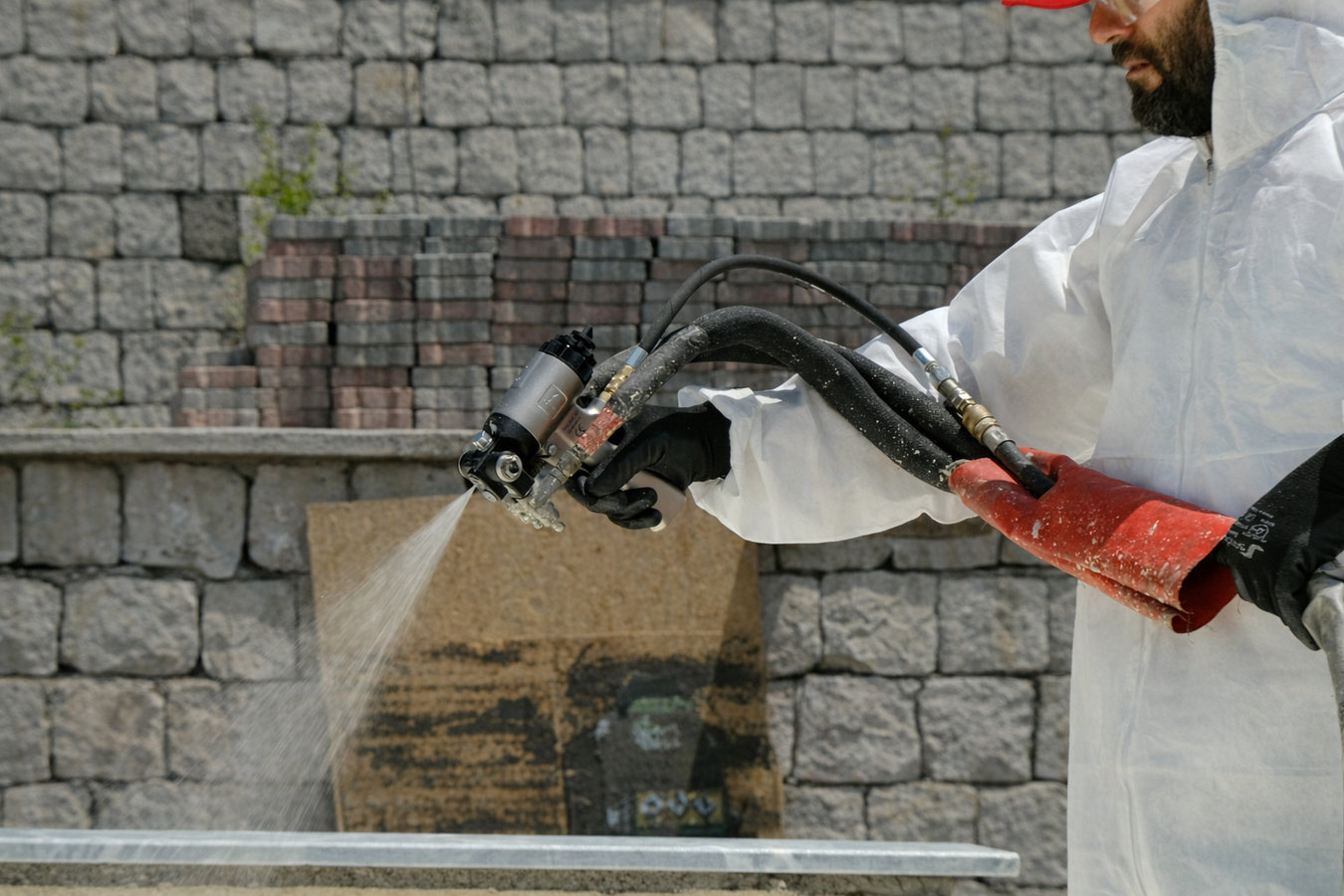
Compton's older single-family homes - most of them 1950s and 1960s ranch-style construction - have framing gaps and penetrations that fiberglass batts cannot fully address. Our spray foam insulation expands to fill those irregular cavities and creates a continuous air seal, which is the single biggest factor in reducing cooling costs in homes this age.
Compton's hot summers push attic temperatures well above outdoor air, and that heat radiates directly into living spaces when attic insulation is thin or absent. We bring attics up to California Title 24 R-value standards using blown-in or batt material, whichever suits your attic's configuration.
In postwar Compton homes, gaps around recessed lights, top plates, and attic bypasses let conditioned air escape before it ever reaches the living space. Sealing those pathways is especially important in homes with slab foundations, where there is no crawl space buffer between the attic and the living area.
Many Compton homeowners have addressed one area of their home but not others - an updated attic with original wall insulation, or vice versa. Our whole-home insulation service assesses every zone and sequences the work so you get the most improvement for your investment.
Older Compton homes with original attic insulation may have material that has absorbed moisture, been disturbed by pests, or simply compressed below any useful R-value. We remove the old material safely and prepare the space for a clean installation that performs the way modern insulation should.
Blown-in insulation is particularly well suited to Compton's older attics, which often have non-standard joist spacing and obstacles from decades of electrical and HVAC work. The loose-fill material conforms to irregular surfaces and fills gaps that pre-cut batts would leave behind.
Most homes in Compton were built in the 1940s, 1950s, and 1960s as part of the postwar expansion of Los Angeles County. Construction standards at that time included little or no attic insulation and virtually no requirement for air sealing. A home built in 1958 that has never had its attic updated is likely performing well below what California now requires - and what modern energy costs demand. The city also sits in the Los Angeles Basin's urban heat island, where dense pavement and surrounding development keep temperatures elevated long into the night. Slab-on-grade construction, which is standard in Compton's postwar housing, means heat from the attic is separated from the living space only by ceiling drywall - making adequate attic insulation more critical, not less.
California's Title 24 energy standards set minimum R-value requirements that apply whenever insulation work is part of a permitted project, and those requirements have tightened significantly over the past two decades. Southern California Edison serves Compton and offers rebates for qualifying insulation upgrades, which can offset a portion of the project cost for homeowners who meet the program's documentation requirements. The combination of rising energy costs, aging housing stock, and available incentives makes this a practical time to address insulation deficiencies in older Compton homes.
Our crew works throughout Compton regularly, and we understand the local conditions that affect insulation work here. We work with the City of Compton Building and Safety Department when permits are required, and we know the inspection requirements for insulation projects tied to HVAC work or remodels. The predominantly slab-foundation housing means most of our Compton jobs focus on attic insulation and air sealing rather than crawl space work, which is a meaningful difference from how we approach cities with more raised-foundation housing.
Compton is a large city - about 10 square miles - and we cover all of it. Neighborhoods near Compton Creek in the east, homes along Central Avenue through the middle of the city, and blocks near the 91 and 710 freeways on the southern edge are all territory we reach regularly. Most of Compton's residential streets have the compact, close-set housing typical of postwar LA development, and our crews are used to working in those conditions without disrupting neighbors or blocking access for other households. The City of Compton processes permits through its online portal, and we handle that paperwork on your behalf.
Compton borders Lynwood to the south, and the two cities share essentially the same housing stock, climate, and construction patterns - so our work in Compton draws directly on what we know from serving Lynwood. We also reach Paramount to the east, where similar postwar ranch homes are common along the city's residential streets.
Reach us by phone or through the online form. We respond within one business day and can typically schedule a Compton assessment the same week - no extended wait for an appointment.
We inspect your attic and any other areas in question, measure current insulation levels against California Title 24 requirements, and give you a written estimate with a clear scope. You will know the price before you agree to anything.
Our crew works in the attic or designated area - your living space stays clean and undisturbed throughout. Most standard Compton attic jobs are finished in a single day, with minimal disruption to your household.
After installation we walk you through the completed work, confirm R-values achieved, and hand over all paperwork. If your project required a permit, we coordinate the city inspection and give you copies of all documentation for your records.
We cover all of Compton, CA - from neighborhoods along Compton Creek to streets near the 91 freeway. Submit the form or call us directly and we will get back to you within one business day.
(424) 307-8116Compton is a fully built-out city of roughly 95,000 to 97,000 residents covering about 10 square miles in the southern part of Los Angeles County. It is bordered by Lynwood to the north, Carson to the south, and Paramount to the east. The city is well served by the 710, 91, and 105 freeways and by the Metro A Line, which stops at Compton Station near the city center. The dominant housing type is the postwar single-family home - typically a one-story ranch or bungalow built in the 1950s or 1960s on a small concrete-paved lot. Multi-family buildings including duplexes and small apartment complexes are mixed into residential streets throughout the city, particularly in areas with higher renter populations. Compton City Hall on Willowbrook Avenue and the Compton Courthouse on Acacia Avenue are familiar civic landmarks to residents who have dealt with local government or legal matters.
Compton sits between Carson to the south and Lynwood to the north - two cities that share Compton's postwar housing character and climate. The city's residential streets follow the grid common throughout Southeast LA, with most properties having concrete driveways, stucco exteriors, and slab foundations that are standard for homes built in this region during that era. Community information for Compton is maintained through the official City of Compton website.
Seals gaps and delivers superior thermal performance for homes and businesses.
Learn MoreFills irregular spaces quickly with loose-fill insulation for even coverage.
Learn MoreWhole-home insulation solutions that improve comfort and lower energy bills.
Learn MoreSafe removal of old or damaged insulation to prepare for a fresh install.
Learn MoreInsulates beneath your floors to stop moisture and heat loss at the source.
Learn MoreCloses drafts and leaks so your conditioned air stays where it belongs.
Learn MoreProtects basements from cold, moisture, and energy loss with proper insulation.
Learn MoreHigh-density foam that acts as both insulation and a moisture barrier.
Learn MoreLightweight foam that expands to fill cavities and absorb sound effectively.
Learn MoreCommercial-grade insulation for warehouses, offices, and industrial buildings.
Learn MoreBlocks ground moisture from entering your crawl space and damaging your home.
Learn MoreInstalls moisture barriers that protect walls, floors, and structural framing.
Learn MoreSeals attic bypasses to prevent conditioned air from escaping through the roof.
Learn MoreUpgrades insulation in existing homes without major construction or disruption.
Learn MoreMost Compton homes built before 1980 are running on insulation that has never been updated - call now and we can assess yours and get you an estimate within the week.