Loading...
Serving Lynwood, CA and surrounding areas. (424) 307-8116
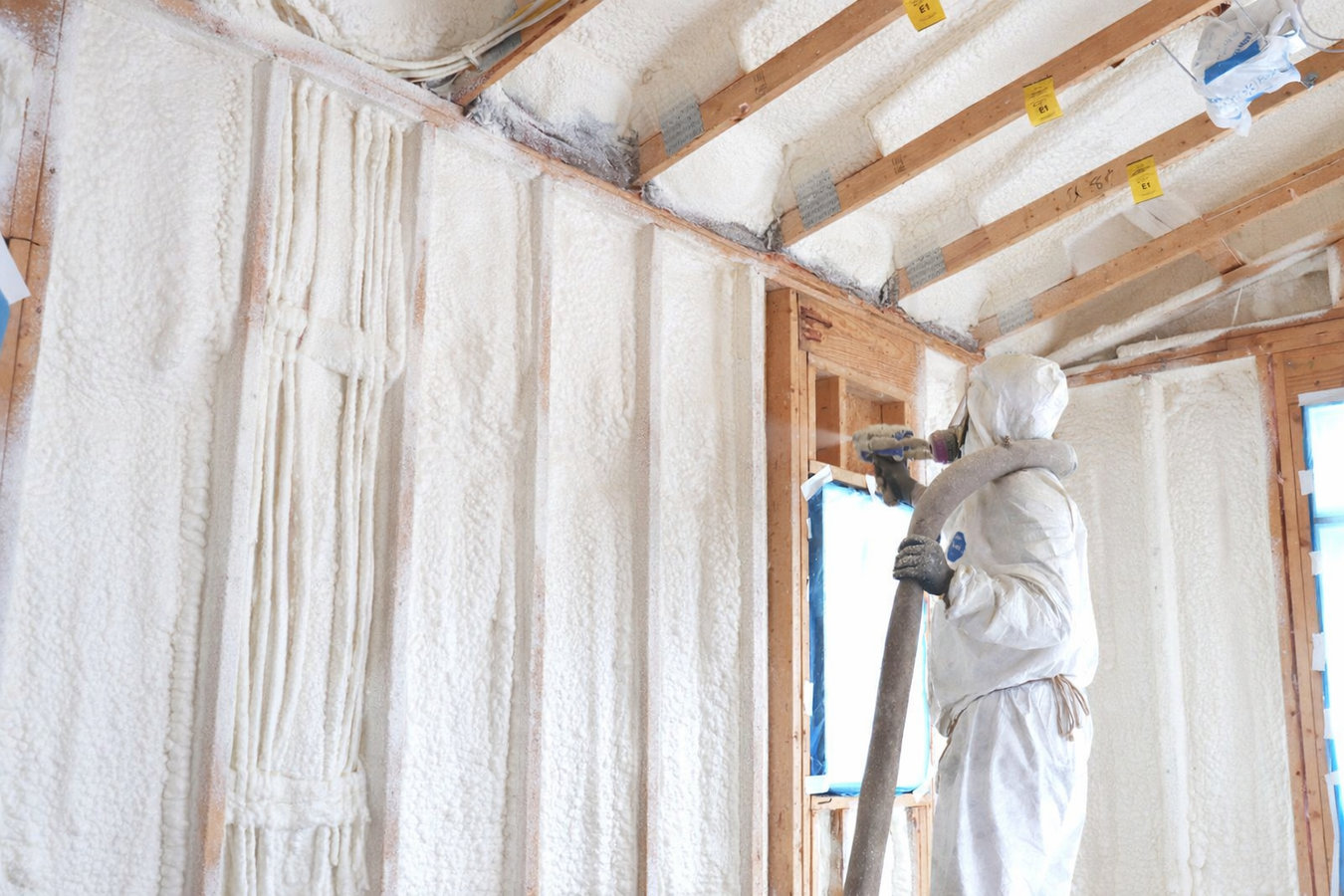
Rooms that never cool down, air seeping in around outlets, and electricity bills that keep climbing are all signs your home needs a tighter air barrier. Closed-cell foam fixes all three in a single application.
Closed-cell foam insulation in Lynwood is a type of spray foam insulation that expands when applied and hardens into a dense, rigid layer - sealing gaps and cracks at the same time it insulates, so air, moisture, and some noise have a much harder time getting through. Most residential jobs are completed in one day, though larger homes or attics may take two.
Most of Lynwood's housing was built between the 1940s and 1970s, when insulation standards were far less demanding. Many of these homes still have their original fiberglass batts - or none at all in certain wall cavities and crawl spaces - which means there is often a significant gap between what the home currently has and what closed-cell foam can deliver. If you are also dealing with an under-insulated basement below those living spaces, basement insulation pairs well to cover the full thermal envelope from below.
Closed-cell foam is water-resistant, which makes it especially useful in crawl spaces and other areas where moisture has been a recurring problem.
If your Southern California Edison bill has been rising year after year and you have not added new appliances or changed your habits, your home may be losing conditioned air through gaps in the walls, attic, or crawl space. In Lynwood's long cooling season, even small air leaks force your AC to run longer than it should, and that wasted energy shows up as wasted money every month.
If one part of your home always feels warmer than the rest - rooms over a garage, at the end of a hallway, or directly under the roof - those spaces are not holding conditioned air well. In older Lynwood homes built before modern insulation standards, this is a common complaint pointing to gaps or missing insulation in the ceiling or wall cavities above.
Hold your hand near an electrical outlet on an exterior wall on a warm afternoon. If you feel warm air coming in, your wall cavities are connected to the outside. This is one of the clearest signs of gaps in your home's air barrier - and it is exactly what closed-cell foam is designed to fix.
Lynwood's older homes often have crawl spaces that were not sealed when built, and moisture from the ground can work its way into the floor structure over time. A musty smell, visible discoloration on floor joists, or a history of mold in the crawl space all signal that moisture is entering somewhere it should not - and that the area may need both sealing and insulation.
Closed-cell foam is well suited for any space where you need both a strong insulation value and a vapor barrier in the same product. We apply it in attics, crawl spaces, garage ceilings, and exterior wall cavities that are being opened during a remodel. For homeowners who want to compare how it stacks up against a softer option, open-cell foam insulation is available for interior walls and spaces where vapor permeability is preferred.
For rooms above garages - one of the most common hot-room complaints in Lynwood - closed-cell foam applied to the garage ceiling is often the most direct fix. The same approach works in crawl spaces where moisture is a concern, because the foam acts as both a thermal barrier and a moisture block at the same time.
Ideal for homes where the attic is the main source of heat gain - foam applied to the underside of the roof deck creates a sealed, conditioned space.
Seals moisture pathways from the ground while insulating the underside of your floors - a common upgrade for Lynwood homes with unconditioned crawl spaces.
Suited for walls being opened up during a remodel, giving you a chance to upgrade insulation and air sealing in one pass while the framing is accessible.
Addresses the most common hot-room complaint in Lynwood homes - living spaces above unconditioned garages that never stay cool.
Lynwood sits in the South Los Angeles basin where summer temperatures regularly climb into the 90s and the cooling season stretches from late spring through early fall. Because air conditioning runs for so many months here, a poorly insulated home bleeds cool air constantly - and that shows up on your electricity bill every month. Closed-cell foam's tight air seal makes a more noticeable difference in this climate than it would in a milder region. Homeowners in Hawthorne and Gardena face the same Southern California cooling-season challenges, and we serve both communities with the same approach.
California also enforces one of the most demanding residential energy codes in the country, updated regularly through the California Energy Commission. Any insulation work that is part of a permitted renovation in Lynwood must meet current state energy standards. An experienced local contractor will know exactly where the line is. Southern California Edison also periodically offers rebate programs for insulation upgrades - it is worth checking SCE's current rebate page before scheduling your project, because a rebate can meaningfully reduce your out-of-pocket cost.
When you reach out, we ask a few basic questions about the area of the home, any comfort or moisture issues, and your timing. You hear back within one business day to set up a visit.
A technician visits your home, checks the space in person, measures the area, and notes anything that could affect the job - like tight access or existing moisture. You receive a written estimate at the end of the visit.
Before the crew arrives, clear the work area and plan to be out of the home - along with pets - for the duration of the work and for a few hours while the foam finishes curing and any fumes clear.
Most residential jobs are done in a single day. Before the crew leaves, they walk you through the completed work so you can see the coverage yourself and ask any questions on the spot.
Free written estimate, no obligation. We reply within one business day and can often schedule within the week.
(424) 307-8116Every job starts with a free written estimate and a clear scope of work, so you know the price and the plan before our crew arrives. We coordinate any permits your project needs and document the completed work.
A large share of Lynwood's housing stock was built during this era, with wall cavities, attic configurations, and crawl spaces that differ from newer construction. We come prepared for the access challenges and construction details these homes present.
Southern California Edison periodically offers rebate programs for insulation upgrades. We check current program availability when we put together your estimate, so you know whether a rebate applies to your project before you commit.
Every job ends with a walkthrough of the completed work. You see the coverage with your own eyes, ask any questions, and leave with written documentation of what was installed and where. No guesswork, no taking our word for it.
Choosing an experienced contractor with a transparent process and documented work protects you from work that cannot be checked or corrected later. You can read more about spray foam installation standards at the Spray Polyurethane Foam Alliance - the national trade group that sets best practices for this type of work.
A softer, more flexible spray foam option suited for interior walls and spaces where a vapor-permeable material is preferred.
Learn MoreA broader overview of spray foam options - covering where each type performs best and how to choose the right product for your home.
Learn MoreSummer cooling season is long in Lynwood - the sooner your home is sealed, the sooner you stop paying for air that is escaping through gaps in your walls and attic.