Loading...
Serving Lynwood, CA and surrounding areas. (424) 307-8116
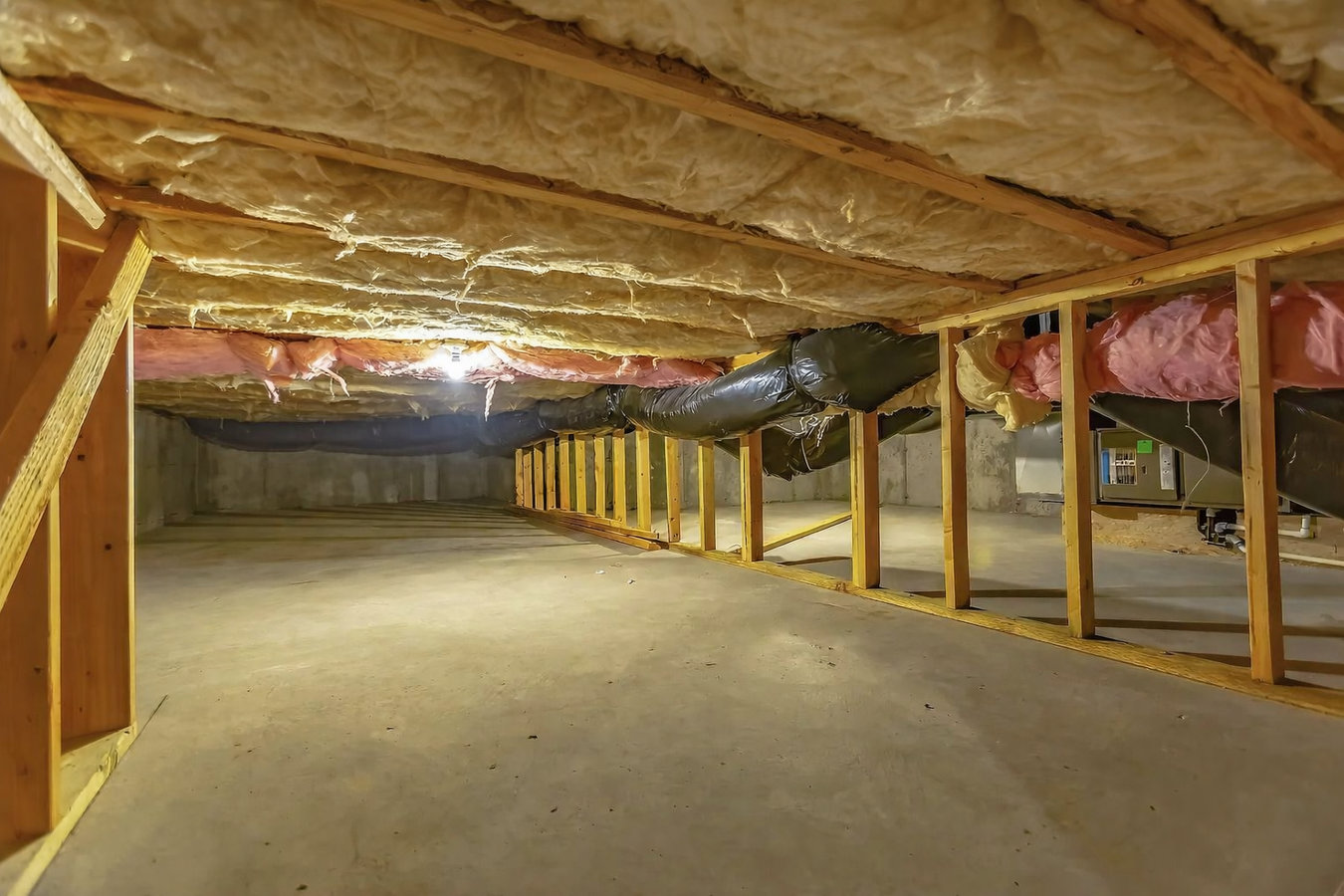
Cold floors and rooms that never cool down are signs your basement or crawl space is uninsulated. We fix that with the right material for your home and a full moisture check before anything goes in.
Basement insulation in Lynwood creates a barrier between the cold or unconditioned air below your home and the living spaces above it, stopping heat from escaping in cooler months and keeping summer heat from rising through your floors. Most residential jobs take one to three days, depending on the space size and the method used.
If your home was built between the 1940s and 1970s - which describes a large share of Lynwood properties - there is a strong chance the floor above the basement has little or no insulation, or whatever was there has degraded over the decades. That gap is one of the most common reasons Lynwood homeowners see cold floors and high summer electricity bills at the same time. Pairing basement insulation with crawl space insulation covers the full under-floor envelope if your home has both spaces.
Before any material goes in, we check for moisture. Trapping dampness behind insulation leads to mold - a far bigger and more expensive problem than the insulation itself.
If walking from a carpeted room onto tile or hardwood feels noticeably colder, that temperature gap is often coming from below. In Lynwood homes built before 1980, the floor above the basement or crawl space is frequently the least-insulated surface in the house. Left unaddressed, this cold transfers up through your feet every single morning.
When your cooling system works hard but ground-floor rooms still feel stuffy, heat rising from an uninsulated space below is often the cause. Lynwood summers regularly bring stretches of 90-degree-plus days, giving that heat a direct path into your living areas. Your electricity bill reflects every extra hour the system runs.
A persistent musty odor near the basement or crawl space signals that moisture is present. In older Lynwood homes, original vapor barriers may have deteriorated or never existed, letting ground moisture seep in. Moisture combined with poor insulation creates conditions where mold can take hold - an expensive fix if caught late.
If your gas or electricity costs have risen steadily and you have not changed your habits, degraded or missing insulation is one of the most common culprits. Insulation materials can settle, shift, or lose effectiveness over time - especially in homes that are 40 or 50 years old. A quick assessment of your basement or crawl space can confirm whether insulation is the issue.
We insulate basement walls when the space is finished or conditioned - meaning it is heated or cooled and used as living space. For unfinished basements, we insulate between the floor joists above, which is the more common approach in Lynwood homes with unconditioned lower levels. Pairing either approach with closed-cell foam insulation gives you the tightest air seal and the highest moisture resistance in a single product.
In some homes, especially those where seismic retrofitting has disturbed the crawl space, we find missing insulation in sections homeowners assumed were still intact. A full walkthrough of the space lets us map exactly what is there and what is not before we put together a written estimate.
Best for finished or conditioned basements where you want to bring the whole space inside the thermal envelope.
The right choice for unfinished, unconditioned basements - insulation goes between the joists above rather than on the walls.
Suits irregular spaces, tight crawl spaces, and anywhere that needs both insulation and air sealing in a single pass.
A cost-effective option for open, accessible joist bays with standard spacing and no significant moisture concerns.
Lynwood sits in the Los Angeles Basin where winters rarely bring frost but summers push well into the 90s for months at a time. An uninsulated basement or crawl space gives that summer heat a direct path into your living areas - meaning your air conditioner runs harder than it should throughout the long Southern California cooling season. For homeowners in Compton and South Gate, the same conditions apply, and we serve both communities with the same same-week scheduling.
Much of Lynwood's housing was built between the 1940s and 1970s, a period when insulation standards were far lower than they are today. Homes from this era often have little or no insulation under the floor joists, and what remains may have settled, shifted, or been disturbed by foundation or seismic retrofit work done over the decades. If your home falls in this age range, a quick under-floor inspection is almost always worth the time - the findings are usually clear and the fix is straightforward. The U.S. Department of Energy's guide to basement insulation outlines the two main approaches and what each one is best suited for.
When you reach out, we ask a few basic questions - your address, the type of space, and whether you have noticed drafts or moisture. You will hear back within one business day to set up your visit.
We physically inspect the basement or crawl space, check for moisture or mold, and measure the area. This visit takes 30 to 60 minutes, and you will get a clear explanation of what we found and what we recommend.
You receive a written estimate breaking down labor and materials. We explain why we recommend a particular approach and what the alternatives are - take your time reviewing it.
Most jobs take one to two days. When the crew finishes, we walk you through the completed work so you can see the coverage yourself before we pack up.
Free estimate, written quote, no obligation. We reply within one business day.
(424) 307-8116We check for water intrusion, staining, and drainage issues before a single piece of insulation is installed. Skipping this step is how insulation jobs create mold problems - we do not skip it.
Most homes in Lynwood were built between the 1940s and 1970s. We have worked in these spaces regularly and know the access challenges, the common construction details, and where gaps tend to hide in this era of home.
Our crews have worked basements and below-grade spaces across Lynwood for years. We coordinate any permits your job needs and give you a free written estimate so you know the scope and price before work begins.
Every installation comes with written documentation so you know exactly what was installed, where, and what is covered. You will not have to take our word for it - you will have it in writing.
Every one of these points adds up to a job done correctly the first time. You get a free written estimate up front and documented work at the finish, so you always know what was installed and where - that transparency is how we prefer to work.
A dense, rigid spray foam option that insulates and air-seals in one application - ideal for tight or irregular basement spaces.
Learn MoreAddresses the space directly beneath your floors when a full basement is not present - a common setup in Lynwood homes.
Learn MoreLynwood summers are long - locking in your installation before the busy season means faster scheduling and a more comfortable home by the time the heat arrives.