Loading...
Serving Lynwood, CA and surrounding areas. (424) 307-8116
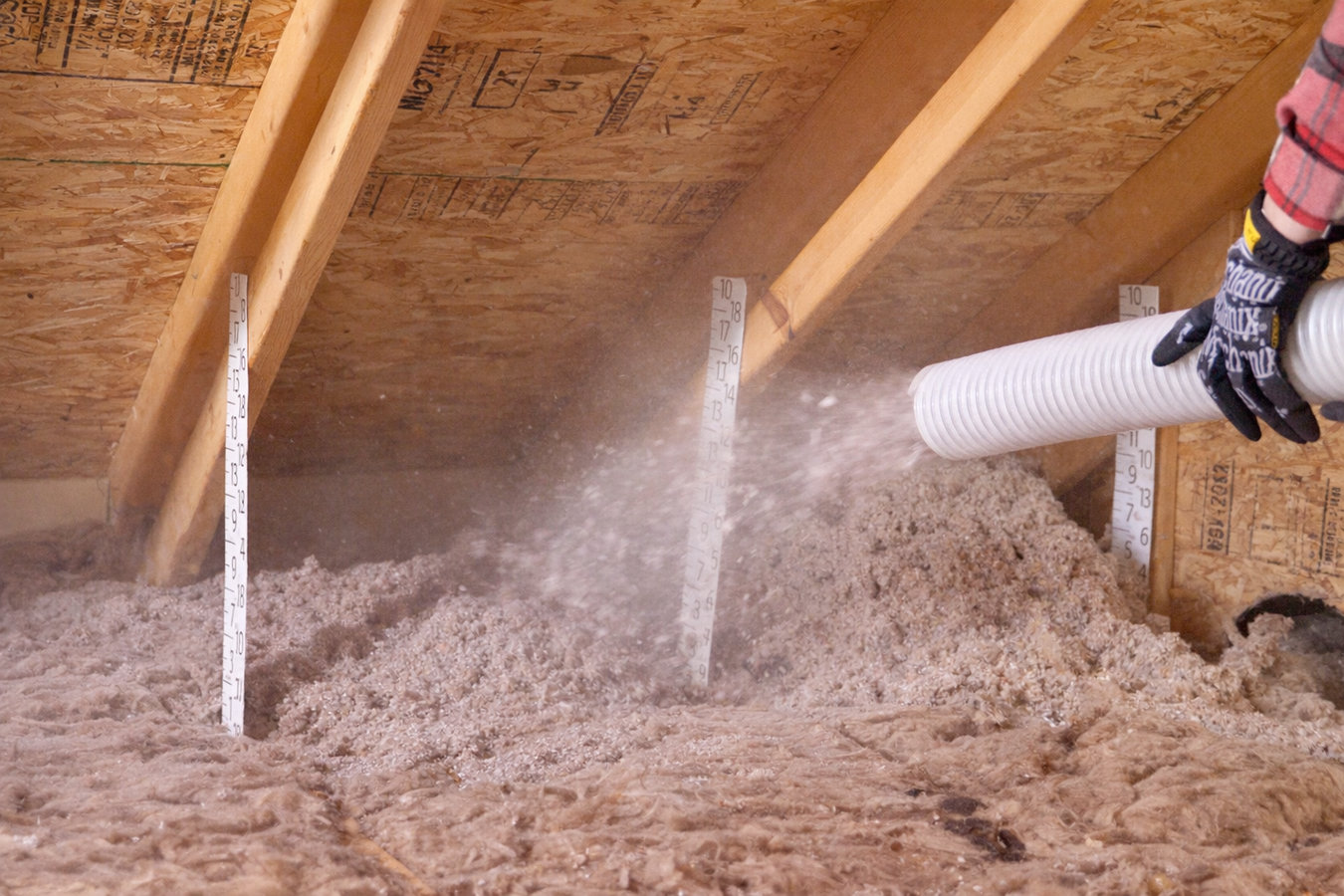
Lynwood attics can hit 150 degrees on summer afternoons. Blown-in insulation fills every gap and corner, cutting that heat before it reaches your living space and bringing your energy bills back down.
Blown-in insulation in Lynwood is loose material - fiberglass or cellulose - that a crew blows through a large hose directly into your attic, filling gaps and irregular spaces that rigid batts simply cannot reach. Most standard homes are completed in a half-day visit. The result is a complete thermal barrier with no thin spots or cold corners.
Lynwood sits in the South Los Angeles Basin, where summer temperatures push into the 90s and attic spaces can exceed 150 degrees on hot days. All that heat presses against your ceiling for hours, forcing your air conditioner to run constantly just to keep up. Proper attic insulation is the most direct fix. Many homeowners who upgrade also notice their heating costs drop in winter - a benefit that is easy to overlook when you are focused on summer comfort. If you are also dealing with air leaks in your walls, our home insulation service covers every area of your home in one assessment.
A large share of Lynwood homes were built between the 1940s and 1970s, when insulation standards were far lower than they are today. Many have thin, degraded material - or none at all. If your home was built before 1980, there is a real chance you are losing conditioned air through the ceiling every hour the AC runs.
If bedrooms or rooms closest to the ceiling feel noticeably hotter than your living room during a Lynwood summer, your attic insulation is thin or missing in spots. Heat is pushing through the ceiling faster than your AC can remove it. Waiting makes comfort worse and your energy bills higher.
If your SCE bill keeps climbing year over year and your usage has not changed, your home is working harder because heat is getting in through an under-insulated attic. Upgrading insulation is one of the few home improvements that pays for itself in reduced energy costs over time.
If you peek into your attic and can clearly see the wooden beams running across the floor, your insulation is almost certainly too thin. Current guidelines for the LA area call for insulation that covers those beams completely. Visible joists are a reliable sign the attic is under-insulated.
Lynwood has a large share of homes built between the 1940s and 1970s. If your home predates 1980 and has never had insulation work done, what was adequate 50 years ago falls well short of today's recommendations. The only way to know for sure is to have a contractor look.
We install both fiberglass and cellulose blown-in insulation, selecting the right material based on your attic conditions, existing insulation, and budget. Fiberglass resists moisture well - an important factor for homes that have had any roof leaks. Cellulose insulation fills tight spaces densely and is a strong option for attics that need maximum coverage quickly. Every job includes air-sealing penetrations around light fixtures, pipes, and vents before the insulation goes in - skipping that step leaves significant energy savings on the table.
If your project goes beyond the attic - walls, crawl space, or a whole-home assessment - our home insulation service handles every area in a single visit. For older Lynwood homes with walls that have never been insulated, our wall insulation service uses blown-in material to fill cavities without major demolition.
Best for homeowners who want the biggest energy impact in the shortest time - the attic is almost always the highest-priority area.
Ideal for older Lynwood homes with hollow wall cavities - blown-in material fills the space without tearing out drywall or stucco.
The right choice for attics with past moisture issues - fiberglass resists mold and holds its shape well over time.
Made from recycled material and treated with fire retardant - fills irregular spaces densely and is often the most cost-effective option per square foot.
Lynwood's housing stock is one of the main reasons blown-in insulation is in such high demand here. The majority of homes in the city were built during the postwar era - the 1940s through 1970s - when insulation requirements were minimal. Many of those homes have never had insulation work done since original construction. What was considered adequate in 1955 is far below what energy guidelines recommend today, and decades of Southern California heat have further degraded whatever material was originally installed. A contractor who inspects a Lynwood attic from that era frequently finds compressed, thin material that is doing very little. We serve homeowners across the city, including those near Compton and South Gate.
California's energy efficiency requirements for insulation work also apply here, which means permitted projects are inspected and documented. Lynwood is served by Southern California Edison, which runs rebate programs for insulation upgrades that can meaningfully offset your project cost. The utility's rebates change periodically, but they are worth asking about before you schedule work - some require pre-approval. For more on the broader range of local factors affecting insulation decisions in this area, the California Energy Commission publishes the efficiency standards that apply to residential projects.
We ask a few basic questions - your address, home age, and whether you have noticed any comfort issues. A free on-site estimate is booked within a few days, with no obligation to proceed.
A technician measures your existing insulation depth, inspects for air gaps around pipes and fixtures, and delivers a written quote explaining what was found and what is recommended.
Our crew air-seals penetrations first, then blows insulation evenly across the attic floor to the correct depth. The blowing process for a standard home typically takes under two hours.
Before leaving, we check depth at multiple points to confirm consistent coverage, clean up all material outside the attic, and walk you through exactly what was completed.
We respond to all new inquiries within 1 business day. There is no obligation attached to the estimate visit.
We respond within 1 business day. The estimate visit is free and comes with no obligation. After you submit, someone from our office will call to schedule a free on-site assessment and walk you through what we find.
(424) 307-8116Every estimate includes a physical attic inspection - not just a phone quote. We show you the depth measurements before and after so you know exactly what you paid for.
A large share of homes we work on in Lynwood were built between the 1940s and 1970s. We know what to look for in pre-1980 construction and come prepared for the surprises older attics often have.
Blowing in insulation without sealing gaps first leaves significant energy savings on the table. We seal penetrations around lights, pipes, and vents before any material goes in.
We will check current Southern California Edison rebate availability as part of your estimate. Some programs require pre-approval, so we raise the question before the job starts, not after.
We have been working in Lynwood and the surrounding communities long enough to know exactly what pre-1980 attics look like and what they need. Our approach is straightforward: inspect first, explain what we find, then do the work correctly so you do not need to call again for the same problem.
Need insulation across your entire home? We assess every area and recommend the right solution for each space.
Learn MoreBlown-in material works exceptionally well inside existing wall cavities, filling gaps without major demolition.
Learn MoreSummer heat season does not wait - schedule your free Lynwood attic inspection now before peak temperatures arrive.