Loading...
Serving Lynwood, CA and surrounding areas. (424) 307-8116
Lynwood Insulation provides closed-cell foam insulation, attic air sealing, blown-in upgrades, and crawl space insulation to Torrance homeowners whose 1950s and 1960s ranch homes need an approach that accounts for marine-layer moisture and coastal salt air. We have served the South Bay area since 2015 and respond within one business day - free on-site estimates with no obligation.
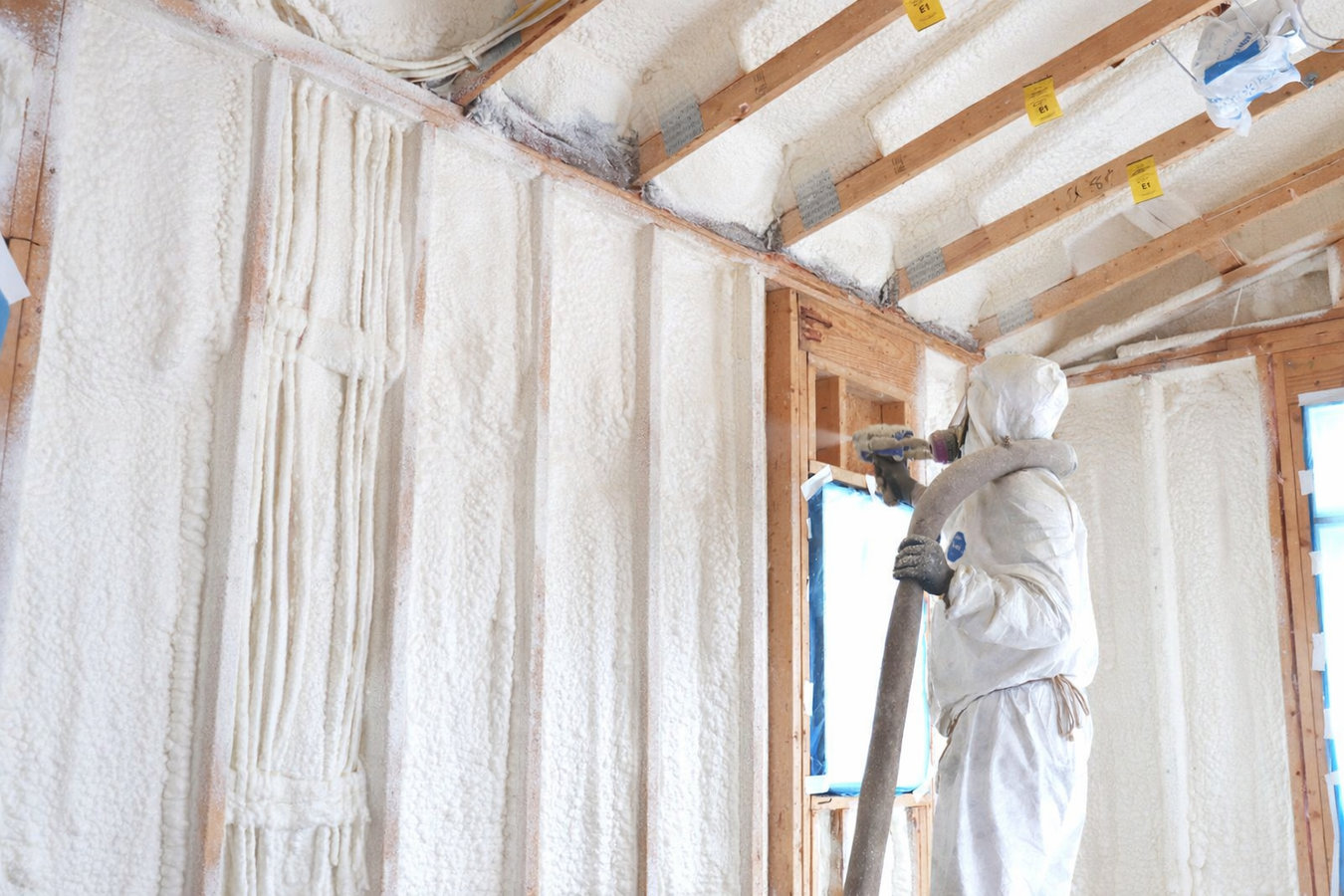
Torrance sits just a mile or two from the Pacific, and the daily marine layer keeps exterior humidity elevated year-round - a condition that conventional batt or blown-in insulation is not designed to handle at rim joists, crawl space walls, or slab edges. Our closed-cell foam insulation creates a rigid, moisture-resistant barrier that bonds to framing and concrete surfaces, making it the right material for the specific coastal infiltration points that allow salt-laden air into Torrance homes.
Most Torrance ranch homes from the 1950s and 1960s have attic floors with original insulation that has been compressing for 50 to 70 years and now provides a fraction of its original R-value. Upgrading to blown-in that meets California Title 24 R-38 standards is the highest-impact insulation improvement for most Torrance homeowners, reducing the heat load that the air conditioning must handle from June through September.
Torrance ranch homes typically have numerous unsealed penetrations at the attic floor level - recessed light fixtures installed without sealed housings, open gaps at the top plate around electrical wiring, and partition wall cavities that vent directly into the attic. Air sealing those bypasses before new blown-in is installed prevents warm interior air from rising into the attic and being replaced by outside air drawn in elsewhere, which is what makes insulation upgrades actually deliver on their promised efficiency gains.
Torrance homes in the Hollywood Riviera neighborhood and parts of Old Torrance often have raised foundations rather than slab construction, leaving underfloor framing exposed to the moist coastal air. Crawl space insulation stops that cold, damp air from moving freely through the floor system - which is often the reason these homes feel colder at floor level than the thermostat suggests they should be, especially in the mornings after the marine layer has kept the crawl space cool overnight.
The combination of coastal humidity and Torrance's clay-heavy soils creates conditions where ground moisture moves upward into crawl space framing with little resistance. A heavy-gauge poly vapor barrier across the crawl space floor stops that moisture at its source, protecting both the floor structure and any insulation installed above it. In Torrance homes near the coast, vapor control is not optional - it is what keeps the structure dry year after year.
Torrance homeowners in Southwood and similar postwar neighborhoods often have wall cavities with little or nothing in them - original construction from the 1950s and 1960s routinely omitted wall insulation entirely. Retrofit blown-in insulation through small exterior penetrations adds wall insulation without requiring removal of the stucco finish, and it addresses the empty cavities responsible for the solar heat gain through south- and west-facing walls that makes Torrance homes uncomfortable on warm afternoons.
Torrance is a city of about 147,000 people in the South Bay area of Los Angeles County, and most of its housing stock was built between the late 1940s and early 1970s during the postwar suburban expansion. That means the majority of Torrance homes are now 50 to 80 years old - built to the standards of their era, which included minimal wall insulation and no attic air sealing. Many of these homes still have their original insulation, which has been compressing and degrading for decades. Torrance homeowners tend to stay put - the city has a relatively high rate of owner-occupied homes for Los Angeles County, and long-term residents have often accepted gradual comfort and energy bill changes without realizing insulation is the cause.
What makes Torrance different from most other LA County service areas is its proximity to the coast. The city sits one to two miles from the Pacific at its closest point, and the daily marine layer keeps exterior humidity elevated well into the morning before the sun burns it off. That moisture cycle affects how insulation ages in Torrance homes - materials that would last decades in a drier inland climate can degrade faster when exposed to sustained coastal humidity. Salt air from the nearby ocean also accelerates deterioration of caulk, sealants, and any exposed metal components in the building envelope. The National Weather Service Los Angeles documents the coastal climate patterns that directly affect how buildings in this area perform over time.
Our crew works throughout Torrance regularly, and we understand the local conditions that affect insulation work here. The postwar ranch homes that make up most of the Southwood and central Torrance neighborhoods are consistent in how they are built - low-pitched roofs, slab or raised foundations, stucco exteriors, attached garages - and consistent in how they fail: compressed attic insulation, empty wall cavities, and unsealed penetrations that let coastal air infiltrate freely. Homes in the Hollywood Riviera neighborhood near the coast tend to be older and more varied in construction, which requires a more individualized assessment before recommending a scope of work.
Most Torrance residents know Del Amo Fashion Center as a central landmark - one of the largest shopping malls in the country, it has anchored the city since the 1960s and is a useful reference point for navigating the east side of Torrance. Torrance Beach on the southwest edge of the city is the quieter, more local alternative to the busier stretches of Redondo and Manhattan Beach. For permit-required work, the City of Torrance Building and Safety Division handles all residential building permits, and we coordinate with that office on any project that requires one.
We serve neighboring Gardena directly to the north, and Carson, which shares Torrance's eastern border. Our familiarity with how homes are built across the South Bay means fewer surprises on the job and a more accurate estimate from the first visit.
Reach us by phone or the contact form and we will respond within one business day to schedule your free assessment. Tell us what you have noticed - a warm upstairs, high energy bills, damp areas in the crawl space - and we handle the rest.
A technician measures your attic, checks crawl space conditions where applicable, and assesses the wall cavities. You receive a written itemized estimate on the same visit - no obligation, no pressure. If cost is a concern, we explain the options and prioritize so you know exactly what you get at each price point.
Most Torrance attic air sealing and blown-in jobs finish in a single day with a two-person crew. You do not need to leave the home during the work, and we protect interior access points and clean up completely before we leave.
Before we leave, we walk through the completed work with you, confirm that all attic access panels are secured, and answer any questions about what was done and why. If any concerns come up after installation, contact us directly - we stand behind our work.
We serve Torrance and the surrounding South Bay area. Free on-site estimates, no obligation, and a written quote before any work begins.
(424) 307-8116Torrance is a South Bay city of about 147,000 people in Los Angeles County, bordered by Gardena to the north, Carson to the east, Redondo Beach to the west, and Palos Verdes Estates to the south. The city grew rapidly in the postwar decades and is defined primarily by single-family neighborhoods of ranch-style homes on modest lots. Distinct neighborhoods give the city its character - Southwood is the prototypical postwar tract neighborhood, with streets of nearly identical 1950s and 1960s ranch homes. Old Torrance near the original downtown core has some of the city's older and more individualized homes. The Hollywood Riviera, on the southwest edge closest to the coast, has larger lots and more architecturally varied homes, some dating to the 1930s, that benefit from ocean breezes and proximity to Torrance Beach.
Torrance has a strong economy anchored by major employers including Toyota Motor North America, whose North American headquarters has been located in the city since 1982, and Torrance Memorial Medical Center. The city has one of the higher homeownership rates in Los Angeles County - most residents are long-term owners who invest in maintaining their properties. The Del Amo Fashion Center, one of the largest malls in the United States, has been a Torrance landmark since the 1960s. Nearby Hawthorne to the northeast and Inglewood further north share similar postwar housing characteristics and face comparable insulation challenges.
Seals gaps and delivers superior thermal performance for homes and businesses.
Learn MoreFills irregular spaces quickly with loose-fill insulation for even coverage.
Learn MoreWhole-home insulation solutions that improve comfort and lower energy bills.
Learn MoreSafe removal of old or damaged insulation to prepare for a fresh install.
Learn MoreInsulates beneath your floors to stop moisture and heat loss at the source.
Learn MoreCloses drafts and leaks so your conditioned air stays where it belongs.
Learn MoreProtects basements from cold, moisture, and energy loss with proper insulation.
Learn MoreHigh-density foam that acts as both insulation and a moisture barrier.
Learn MoreLightweight foam that expands to fill cavities and absorb sound effectively.
Learn MoreCommercial-grade insulation for warehouses, offices, and industrial buildings.
Learn MoreBlocks ground moisture from entering your crawl space and damaging your home.
Learn MoreInstalls moisture barriers that protect walls, floors, and structural framing.
Learn MoreSeals attic bypasses to prevent conditioned air from escaping through the roof.
Learn MoreUpgrades insulation in existing homes without major construction or disruption.
Learn MoreIf your Torrance home is showing the signs of an aging building envelope - high summer bills, rooms that never quite cool down, or moisture issues in the crawl space - call us today for a free on-site estimate.