Loading...
Serving Lynwood, CA and surrounding areas. (424) 307-8116
Ground moisture rises through your crawl space every winter. A properly sealed vapor barrier stops it before it softens your floors, feeds mold, or drives up your energy bills.
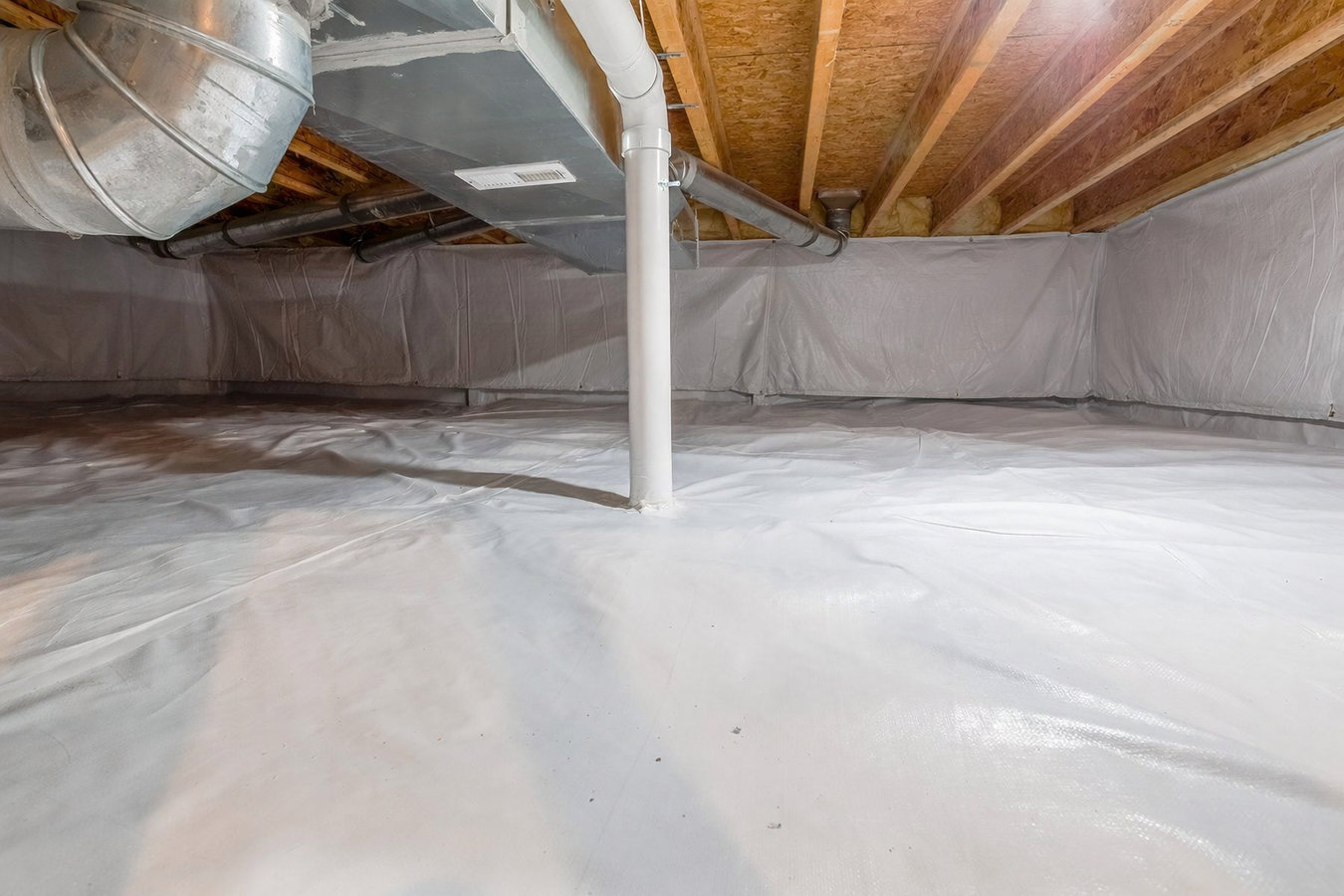
A crawl space vapor barrier in Lynwood is thick plastic sheeting laid across the entire ground surface of your crawl space, seams overlapped and sealed so moisture rising from the soil cannot reach your floor joists, insulation, or living space. Most installations are completed in one to two days with no need to leave your home.
Lynwood sits on clay-heavy soil that holds water long after the rains stop. Between November and March, that ground moisture pushes upward through any unprotected crawl space - and most homes built before 1980 have no barrier at all. If you have noticed a musty smell near the floor or floors that feel slightly soft underfoot, the source is almost certainly below the house. Pair your vapor barrier with crawl space insulation for the most complete moisture and energy solution.
The U.S. Department of Energy recommends sealing crawl spaces against moisture as one of the most cost-effective ways to protect a home's structure and improve energy performance. You can read more at energy.gov.
A damp, earthy odor that gets stronger after Lynwood's winter rains is one of the clearest signs moisture is rising from your crawl space. That smell is mold or mildew growing on damp wood. The longer you wait, the deeper the growth goes - and the harder it is to stop without also treating the wood itself.
Walk slowly across your floors and pay attention to any spots that flex or feel lower than the surrounding surface. This means the wood floor joists underneath have been absorbing moisture long enough to start softening. In older Lynwood homes, this is one of the most common signs that a crawl space has been unprotected for years.
Water droplets forming on pipes or metal ductwork under your house mean the air in your crawl space carries more moisture than it should. This is common in the Los Angeles Basin during cooler months and is a reliable early warning before more serious damage sets in. Waiting until you can see visible rust or rot means the damage is already significant.
Lynwood homes built before the 1980s were constructed before vapor barriers were standard. If you have lived in your home for years - or recently bought an older home - and cannot recall any crawl space work being done, there is a reasonable chance no barrier exists. This is worth checking before the next rainy season, not after.
We install heavy-duty polyethylene vapor barriers across the full floor area of your crawl space, overlapping seams by at least a foot and sealing them with tape so moisture has nowhere to sneak through. The edges are secured to the foundation walls to prevent any gaps at the perimeter. We also pair vapor barrier work with vapor barrier installation for homes that need protection in basements or additional areas beyond the crawl space floor.
For homes where moisture has already been an issue, we assess the existing conditions before recommending materials. Thicker barriers (10 to 20 mils) hold up better to foot traffic during future maintenance visits and last longer under the persistent moisture conditions that Lynwood's clay soils create. If you have an older thin barrier that has cracked, shifted, or been disturbed by pests, we will remove it before installing a proper replacement. We also offer full crawl space insulation for homeowners who want to address both moisture and energy loss in one visit.
Best for homes that have never had a barrier, or where the original thin plastic has degraded beyond repair.
Best for homes with an existing barrier that has shifted, torn, or been damaged by pests or foot traffic over the years.
Best for older Lynwood homes with tight crawl space access where installation requires a crew experienced in confined spaces.
Best for homeowners who want to address moisture and energy loss in a single visit to minimize disruption and cost.
Lynwood sits on expansive clay soils that absorb water during the November-to-March rainy season and release it slowly for months afterward. Most of Lynwood's housing stock was built between the 1940s and 1970s, before vapor barriers were a standard part of construction. That means a large share of homes in this area have bare-dirt crawl spaces that have been exposed to persistent ground moisture for decades. The soil keeps pushing moisture upward long after the rains stop, which makes the problem here more continuous than in areas with sandier, faster-draining ground.
We serve the full Lynwood area and the surrounding communities, including homeowners in Compton and South Gate, where the same clay-soil and older-housing conditions apply. If you are not sure whether your crawl space has any protection at all, a free inspection is the fastest way to find out - and the right time to schedule it is before the next rainy season, not after.
We ask a few basic questions - your address, roughly how old your home is, and any symptoms you have noticed. We reply within one business day to schedule your free on-site visit. No commitment required.
A technician accesses your crawl space through the hatch and checks the size, clearance, current conditions, and whether any barrier already exists. The visit takes 20 to 40 minutes, and we walk you through what we find before we leave.
You receive a written quote showing exactly what will be done, what thickness of barrier will be used, and the total cost. No verbal-only quotes. If you have questions before signing, we answer them - that is what the estimate visit is for.
The crew installs the barrier across the full ground surface, overlapping and sealing seams, and securing edges to the foundation walls. Before leaving, we confirm every section is covered and show you photos if the access is too tight to inspect yourself.
Free estimates, no pressure. We reply within one business day.
(424) 307-8116Every job starts with a free written estimate that lays out the material, the scope, and the total cost before our crew arrives. When the work is done, you get documentation of what was installed - so you always have a clear record and there are no surprises after the fact.
We work regularly in the older single-family homes that make up most of Lynwood's residential neighborhoods - homes built in the 1940s through 1970s with low crawl space clearances, clay-soil conditions, and crawl spaces that have often never been professionally assessed. That experience means fewer surprises on installation day.
We use thicker barrier material (10 mils and above) that holds up to foot traffic and lasts through multiple wet seasons. Seams are overlapped and taped - not just laid loosely. You can see the difference yourself in the post-installation photos we provide before we leave.
Crawl space work is hard to inspect yourself after the fact. We take photos of the completed installation and share them with you before we leave so you can see exactly what was installed, how the seams were sealed, and that the edges are secured to the foundation walls. No guessing required.
Taken together, these points mean you are hiring a contractor you can verify, not just trust. That matters for work done in a space most homeowners cannot easily inspect themselves.
Full vapor barrier installation for basements and other spaces beyond the crawl space floor.
Learn MoreInsulate the floor above the crawl space to reduce heat loss and improve comfort alongside moisture control.
Learn MoreGround moisture is already working against your floors - call now for a free inspection and written estimate before November rains arrive.