Loading...
Serving Lynwood, CA and surrounding areas. (424) 307-8116
Most Lynwood homes built before 1980 are losing cooled air every day through thin or missing insulation. We add insulation to your existing home without tearing out walls - one day, clean work, real results.
Retrofit insulation in Lynwood means adding insulation to a home that is already built - filling attics, walls, and floors over unheated spaces using methods that cause minimal disruption - and most jobs on a single-family home are completed in one day without any need to vacate or tear out walls.
Lynwood's residential neighborhoods are dominated by homes built between the 1940s and 1970s, a period when insulation standards were far lower than they are today. Many of these homes were built with little to no wall insulation and minimal attic coverage. With summers that regularly push into the 90s and an air conditioner that runs for five or more months a year, inadequate insulation translates directly into higher SCE bills and rooms that never quite cool down. The best approach is always to seal air gaps first - which our attic air sealing service handles - and then add the insulation layer on top so it performs at its full rated value from day one.
The U.S. Department of Energy provides homeowner guidance on insulation types, R-values, and installation methods at energy.gov. ENERGY STAR also maintains recommended R-value targets by climate zone at energystar.gov.
If your air conditioner runs constantly during Lynwood's summer months but certain rooms still feel stuffy and hot, your attic insulation is likely the culprit. Heat from the sun bakes your roof and pushes down through an under-insulated attic ceiling into your living space. This is one of the most common complaints from homeowners in older Lynwood homes, and it is almost always fixable with a proper insulation upgrade.
Look at your Southern California Edison bills from June through September. If your cooling costs seem unusually high for the square footage of your home, poor insulation is one of the first things worth investigating. A home that leaks conditioned air works your AC harder and longer - and you pay for every extra hour it runs.
Walk through your home on a hot afternoon and notice whether some rooms feel noticeably warmer than others, or whether you can feel warm air seeping in around light fixtures or ceiling fans. These temperature swings point to gaps in your home's thermal envelope - typically a combination of missing insulation and air leaks that a retrofit job can address together.
If your home was built in the 1940s, 1950s, or 1960s - which describes a large share of Lynwood's housing stock - there is a strong chance it was built with insulation levels that would be considered inadequate by today's standards. A quick look in your attic hatch tells you a lot: if you can see the ceiling joists clearly, you almost certainly need more insulation.
We start every retrofit project with an in-home assessment that looks at your attic, walls, and any other areas of concern - checking what insulation is already there, identifying signs of moisture or pest damage, and measuring where the biggest heat gains are happening. We do not quote a job until we have seen your home in person. For most older Lynwood homes, blown-in insulation is the right tool: it pumps through a hose to fill around pipes, beams, and irregular spaces that solid batt insulation cannot reach, and it does not require wall removal. For homes where air gaps are part of the problem, we always recommend pairing the insulation work with attic air sealing so the new material performs at its rated value from the start.
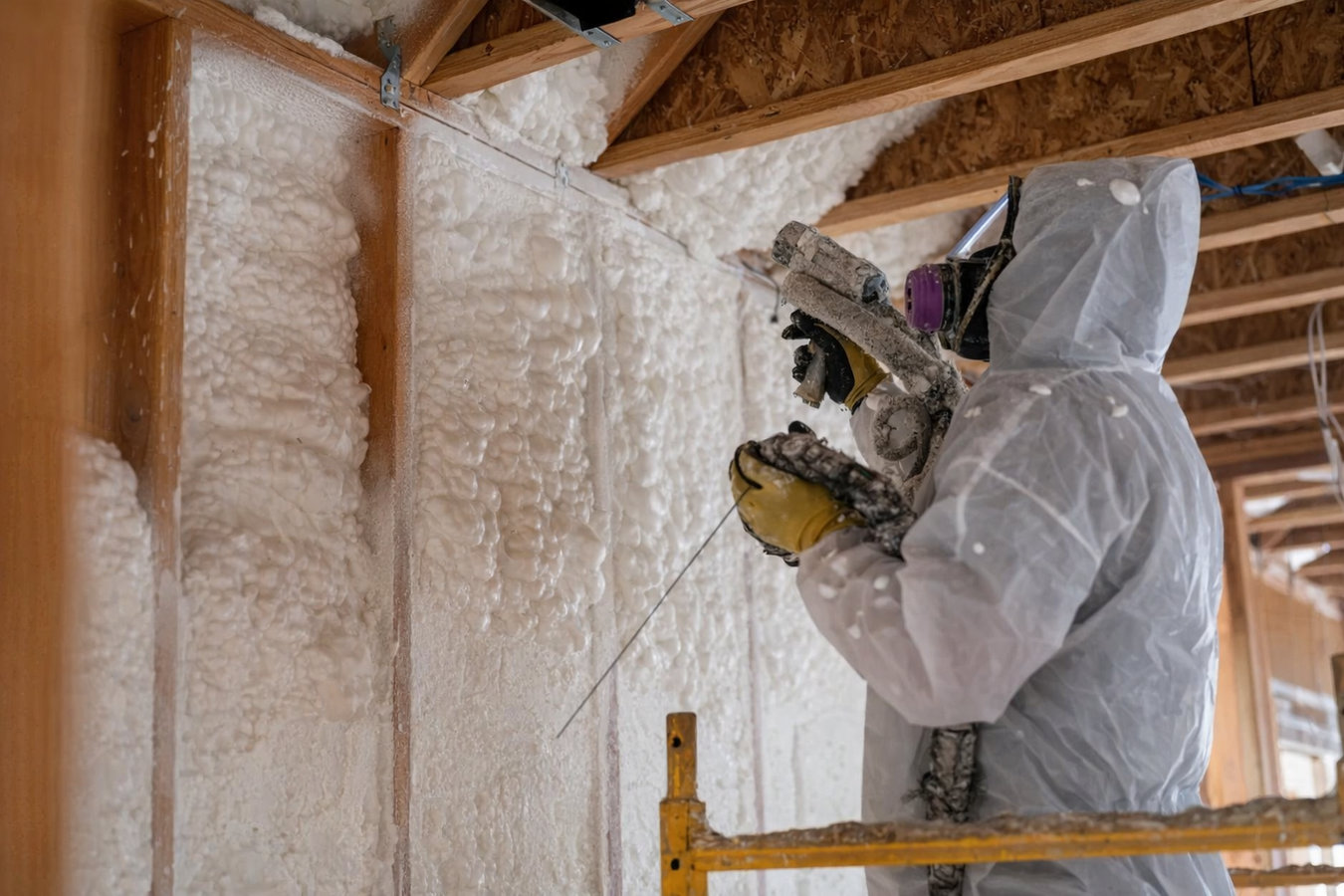
For homes where the priority is sealing and insulating in one pass - particularly crawl spaces, rim joists, or attics with irregular framing - spray foam insulation is often the most efficient retrofit option because it fills voids and adheres to irregular surfaces that loose-fill material cannot reach as effectively. We also offer complete home insulation assessments for homeowners who want to address attic, wall, and floor areas together in a single coordinated project. Combining multiple areas into one visit saves on mobilization cost and gets the whole house upgraded at once rather than room by room over several years.
Best for homes with thin, flat, or missing attic insulation where adding material on top of the existing floor will produce immediate comfort improvements.
Best for older Lynwood homes with hollow wall cavities that have never been insulated, using dense-pack blown-in through small holes that are patched before the crew leaves.
Best for homes where both air leaks and insufficient insulation are contributing to high bills and uneven temperatures - the sequence that produces the biggest performance gain.
Best for homeowners who want to address attic, walls, and floors over unheated spaces in a single project for maximum comfort and energy efficiency improvement.
Lynwood sits in a densely developed part of Los Angeles County where the urban environment traps heat and keeps nighttime temperatures higher than in surrounding areas - a condition known as the urban heat island effect. Combined with summers that regularly push into the 90s, this means older Lynwood homes face more sustained heat pressure than the same house would face in a less dense location. Most of the city's housing was built between the 1940s and 1970s, when insulation was an afterthought. Upgrading to current standards is one of the highest-return home improvements available to Lynwood homeowners - every summer month becomes a month your AC does less work. Neighbors in Downey and Paramount face the same older housing stock and the same payback opportunity.
Lynwood is also located near some of the busiest industrial and traffic corridors in Los Angeles County, which means outdoor air quality is a real concern for families here. A well-insulated and properly sealed home keeps more of that outside air where it belongs - outside - providing a buffer for families with children, elderly residents, or anyone with respiratory sensitivities. California's energy efficiency requirements for permitted renovation work also set a meaningful quality floor, which protects your investment by ensuring any contractor doing permitted work in Lynwood must meet current standards.
We ask a few basic questions about your home's age, which areas concern you most, and whether you have noticed specific comfort or billing issues. This is not a sales pitch - it is how we figure out whether a simple attic job will solve your problem or whether a more thorough look is needed. We reply within one business day.
We walk through your home, inspect the attic, and look at walls and any other areas of concern. We check existing insulation, look for signs of moisture or pest damage, and identify where air is leaking. This visit is free and takes 30 to 60 minutes. You will receive a written estimate based on what we actually find - not a ballpark from the phone.
The crew protects your floors and belongings near access points before starting. Blown-in insulation is pumped in from outside or through the attic hatch - a typical attic job finishes in a few hours. Any small holes drilled into walls are patched and finished before the crew packs up. You can stay home the entire time.
Before we leave, we walk you through the finished work, show you the attic if you want to see it, and answer any questions. If your project qualifies for SCE or SoCalGas rebates, we collect the information needed to submit on your behalf or walk you through the steps yourself. Most homeowners feel the difference within the first few days.
Free in-home estimate, written quote before any work begins, rebate guidance included.
(424) 307-8116We do not add insulation on top of unsealed gaps and call it done. Sealing air leaks first - and then insulating on top - is the sequence that actually produces the results homeowners expect. A contractor who skips this step is leaving most of the benefit on the table, and your bills will reflect it.
Every project begins with an in-person assessment and a written estimate that covers everything. If your older Lynwood home has any surprises in the attic - moisture, pest damage, or unusual construction - we tell you what we found and what your options are before any work begins. You approve the scope and the price before anyone picks up a tool.
Homes built in Lynwood between the 1940s and 1970s have specific characteristics - thin original insulation, open wall cavities, aging plumbing, and attics that have accumulated decades of settling. We know what these homes look like from the inside and come prepared for what they actually have, not what a newer home would have.
Southern California Edison and SoCalGas both offer rebates for qualifying retrofit insulation projects. We are familiar with these programs and tell you at the estimate stage whether your project qualifies. ENERGY STAR's rebate finder is also a useful tool to explore federal and state incentives available in your area.
Retrofit insulation produces real, measurable results - but only when the work is done in the right order, with the right materials, by a crew that has seen the inside of Lynwood's older homes before. These four points are how we make that guarantee.
For areas where a complete air and thermal barrier in one application is the right fit, spray foam is an alternative worth discussing.
Learn MoreA whole-home insulation assessment that covers every area - attic, walls, and floors - in a single coordinated project.
Learn MoreLynwood summers hit hard and fast - getting your home properly insulated now means you are ready when the heat arrives. Call us or request a free estimate today.